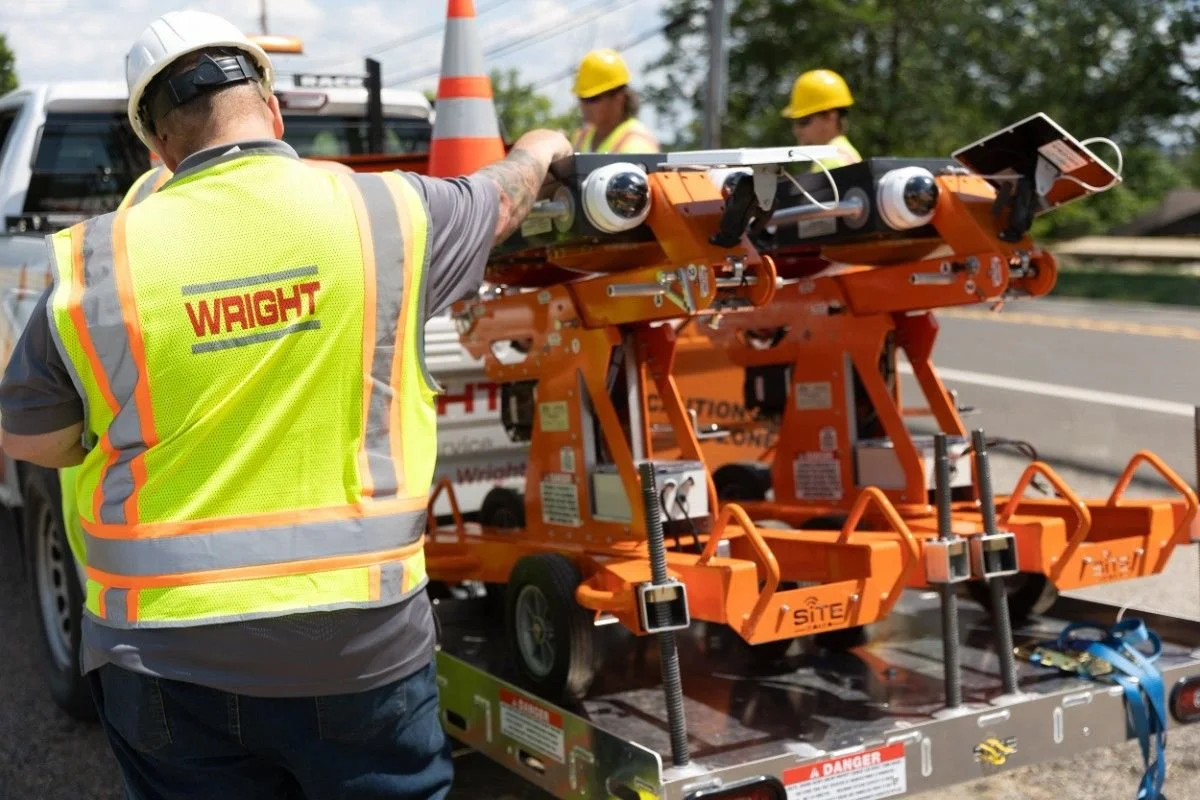
Utility work projects, such as installing water lines, repairing electrical systems, or maintaining communication networks, often take place near busy roads. These projects require excavation, heavy machinery, and workers operating close to active traffic lanes. Without proper traffic control measures, these environments can quickly become dangerous.
Traffic control services help manage the flow of vehicles and ensure that both workers and drivers remain safe during utility work operations.
Managing Traffic Around Utility Work Zones
Utility projects often require temporary lane closures or road restrictions. Drivers may encounter unexpected changes in traffic flow, which can cause confusion or accidents if not properly managed.
Traffic control personnel guide vehicles safely around utility work zones using cones, barriers, and directional signage. Their presence ensures that drivers clearly understand how to navigate through temporary traffic changes.
Protecting Utility Workers
Utility crews frequently work in trenches or operate equipment close to moving traffic. Traffic control teams create safe boundaries between workers and passing vehicles.
By directing vehicles and ensuring drivers follow reduced speed limits, traffic controllers help minimize the risk of accidents in these high-risk environments.
Reducing Disruptions to Daily Traffic
Utility repairs often occur in residential neighborhoods or busy city streets. Without proper traffic management, these projects can cause significant disruptions for local residents and commuters.
Traffic control professionals monitor traffic conditions and adjust traffic patterns when needed to keep vehicles moving safely and efficiently.
Conclusion
Traffic control services play an essential role in ensuring safety during utility work projects. By guiding drivers, protecting workers, and managing traffic flow, professional traffic control teams help utility projects operate smoothly and safely.