
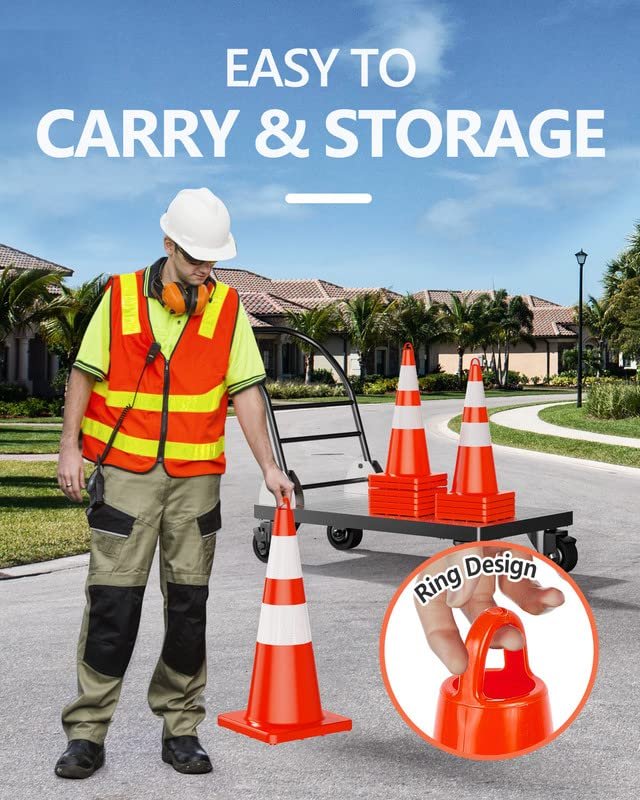
Construction projects often take place in residential neighborhoods where roads are shared by drivers, pedestrians, and cyclists. These environments require careful traffic management to ensure that construction activities do not create hazards for local residents.
Traffic control services help maintain safety in residential construction areas by organizing traffic flow and guiding vehicles safely around work zones.
Managing Local Traffic
Residential roads may be narrower than highways or major city streets, making traffic management more challenging during construction projects. Traffic control personnel direct vehicles and help maintain organized traffic movement through these areas.
By guiding drivers and ensuring that vehicles follow safe traffic patterns, traffic controllers help prevent congestion and confusion.
Protecting Pedestrians and Children
Residential neighborhoods often have high levels of pedestrian activity, including children walking to school or residents walking their pets. Construction zones can create dangerous situations if traffic is not properly controlled.
Traffic control teams help guide pedestrians safely around work zones and ensure that drivers remain cautious when traveling through residential areas.
Supporting Community Projects
Many residential construction projects involve improving roads, installing utilities, or upgrading infrastructure. Traffic control services help ensure that these improvements can be completed safely without creating unnecessary risks for residents.
By managing traffic effectively, traffic control teams help maintain safe and organized neighborhoods during construction activities.
Conclusion
Traffic control services are essential for maintaining safety in residential construction areas. By directing vehicles, protecting pedestrians, and organizing traffic flow, traffic control professionals help ensure that construction projects can proceed safely while protecting local communities.