Work zones can present serious safety risks for drivers and construction workers alike. Narrow lanes, heavy machinery, and temporary road changes create conditions where accidents can occur if traffic is not properly managed.
Traffic control services are designed to prevent these accidents by organizing traffic flow and providing clear instructions for drivers approaching construction areas.
Identifying Potential Hazards
Traffic control professionals assess work zones to identify potential hazards. These hazards may include blind spots, narrow lanes, or areas where workers are operating near moving vehicles.
By identifying these risks early, traffic control teams can implement strategies that reduce the likelihood of accidents.
Using Safety Equipment Effectively
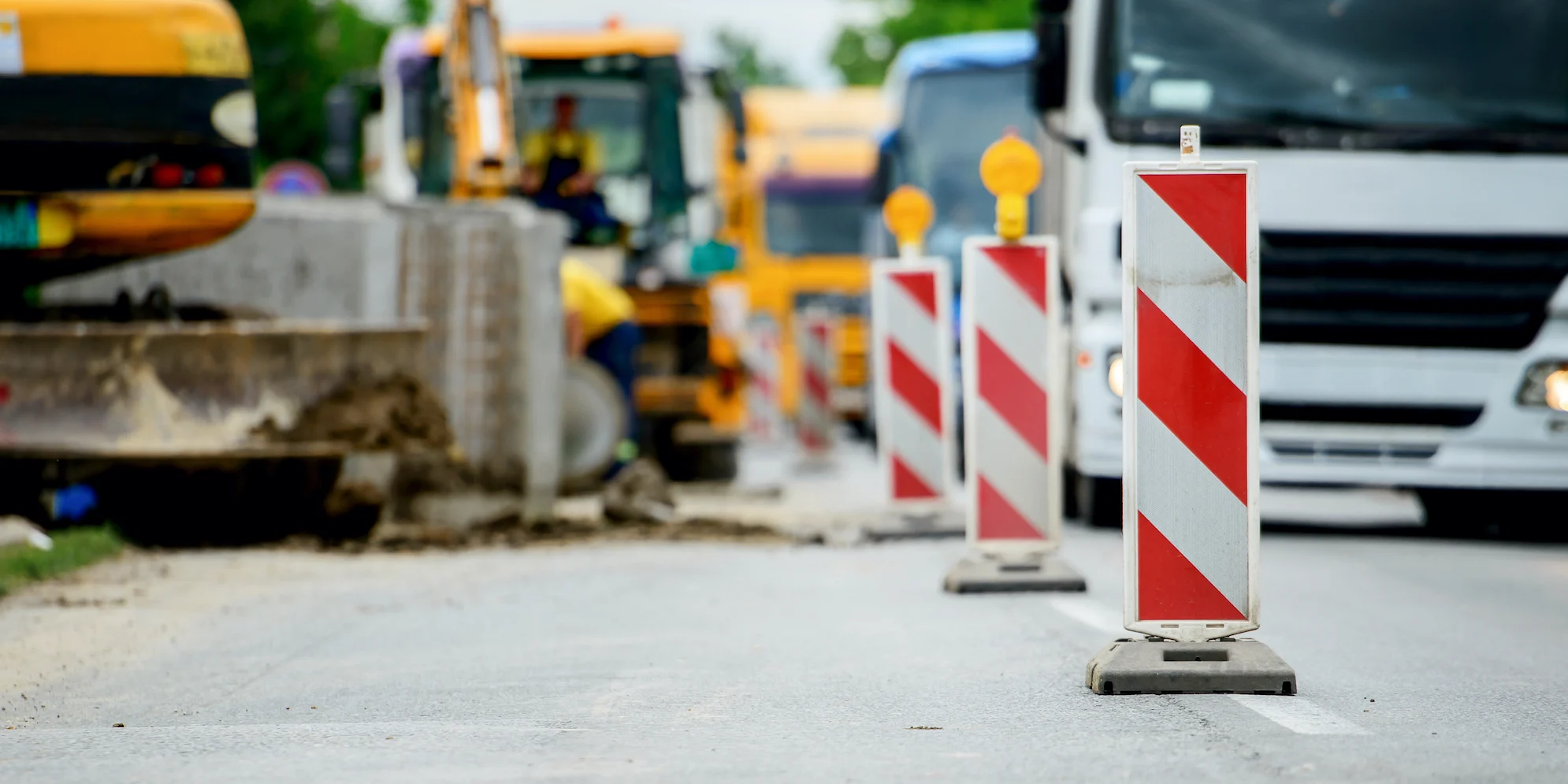
Traffic control equipment such as cones, barricades, and warning signs play a vital role in accident prevention. These devices help guide drivers safely through work zones and clearly mark restricted areas.
Electronic arrow boards and flashing warning lights may also be used to improve visibility and communication with drivers.
Directing Traffic with Trained Personnel
Traffic controllers use hand signals, stop/slow paddles, and radio communication to manage traffic flow. Their training allows them to quickly respond to changing traffic conditions and prevent dangerous situations.
Their presence also encourages drivers to remain alert and cautious when approaching construction zones.
Conclusion
Preventing work zone accidents requires a combination of proper planning, effective equipment, and trained traffic control personnel. Professional traffic control services help create safer environments for drivers, pedestrians, and construction workers.