
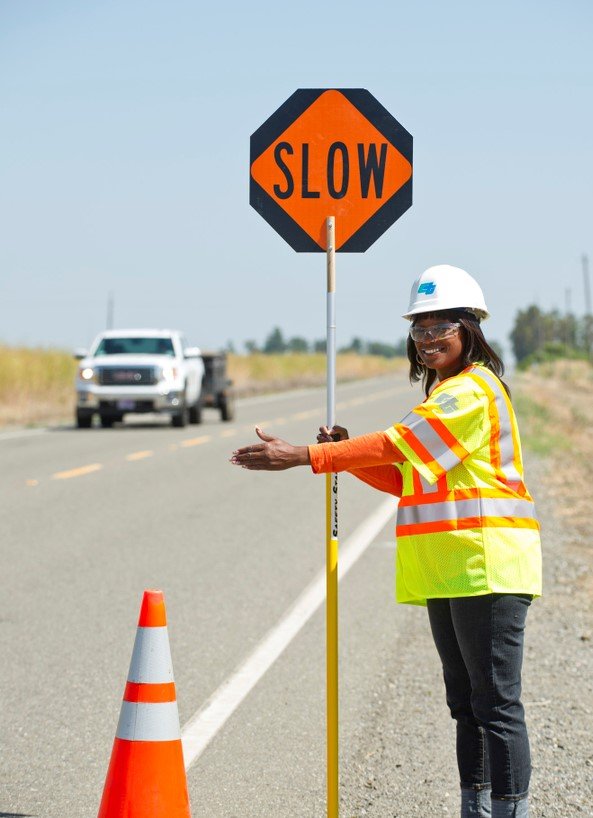
Flagging services are a vital component of traffic control in construction zones. When roadwork requires lane closures or traffic redirection, trained flaggers guide vehicles safely through the area. Their presence helps maintain order and prevents confusion among drivers navigating temporary traffic changes.
Professional flagging services ensure that traffic continues to move safely while construction work is being completed.
The Role of a Traffic Flagger
Traffic flaggers are responsible for directing vehicles using stop/slow paddles, hand signals, and communication devices. Their main goal is to control traffic movement and prevent vehicles from entering hazardous areas.
Flaggers typically work in pairs when managing single-lane traffic in construction zones. One flagger controls traffic from one end of the work zone while the other manages vehicles from the opposite direction.
Enhancing Driver Awareness
Drivers approaching construction zones may be unaware of changing road conditions. Flaggers help increase driver awareness by signaling when to stop, slow down, or proceed.
Their visible presence and clear instructions reduce confusion and ensure that drivers follow safe driving practices while passing through work zones.
Protecting Workers and Equipment
Construction crews often work close to active traffic lanes. Flaggers create a buffer between workers and moving vehicles by controlling when vehicles can safely pass through work areas.
This reduces the likelihood of accidents involving construction equipment or personnel.
Conclusion
Professional flagging services play an important role in maintaining safety on construction sites. By guiding traffic, increasing driver awareness, and protecting workers, flaggers help ensure that roadwork projects are completed safely and efficiently.