
Lane closures are a common part of road construction and maintenance projects. When repairs, installations, or upgrades are needed, traffic lanes may temporarily close to provide space for construction crews and equipment. Managing these closures safely is essential to protect workers and maintain smooth traffic flow.
Without proper planning and traffic control, lane closures can lead to confusion, traffic congestion, and potentially dangerous driving conditions.
Planning a Safe Lane Closure
Before a lane closure is implemented, traffic control experts create a detailed plan that outlines how vehicles will move through or around the affected area. This includes the placement of warning signs, traffic cones, and barriers.
Advance warning signs alert drivers that a lane closure is approaching. These signs give drivers enough time to reduce speed and merge safely into open lanes.
Setting Up Traffic Control Devices
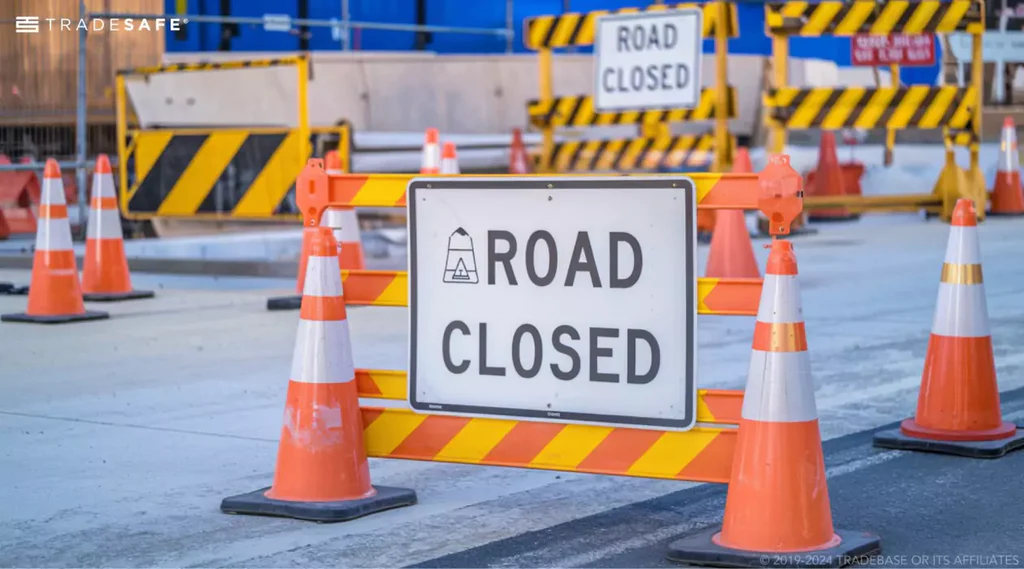
Traffic control devices play an important role in guiding drivers safely through lane closure zones. Cones, barricades, and directional signs clearly mark the boundaries of the closed lane.
Traffic controllers may also be present to assist drivers and ensure that traffic continues to move safely through the area.
Maintaining Traffic Flow
One of the biggest challenges of lane closures is maintaining efficient traffic flow. Traffic control teams monitor traffic patterns and adjust traffic management strategies as needed to reduce congestion.
This may include adjusting lane closures during peak traffic hours or providing alternate routes to minimize delays.
Conclusion
Lane closures are necessary for many construction and maintenance projects, but they must be managed carefully to ensure safety. Professional traffic control services help implement lane closures effectively by providing proper planning, equipment, and trained personnel.