Traffic control is a specialized field that requires training, experience, and a strong understanding of road safety practices. Traffic control personnel must be able to manage traffic flow, communicate clearly with drivers, and respond quickly to unexpected situations.
Professional training ensures that traffic controllers have the knowledge and skills necessary to maintain safety in construction zones and work areas.
Learning Traffic Control Techniques
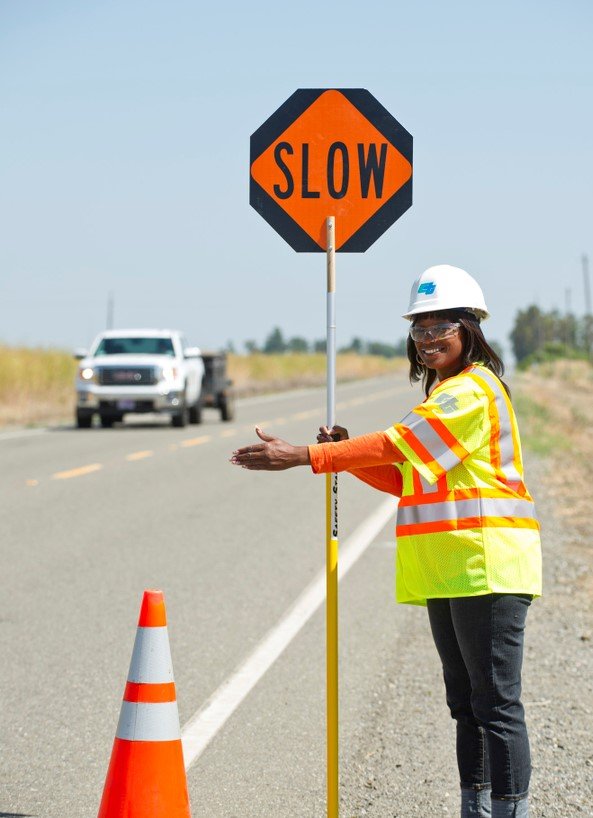
Traffic control training programs teach workers how to use stop/slow paddles, hand signals, and communication devices to guide vehicles safely. These techniques help traffic controllers maintain clear communication with drivers.
Training also includes instruction on proper placement of traffic control devices such as cones, barriers, and warning signs.
Understanding Safety Regulations
Traffic control personnel must follow specific safety regulations when managing construction zones. Training programs ensure that workers understand these regulations and know how to implement traffic management strategies that meet safety standards.
By following established guidelines, traffic controllers help maintain safe work environments for construction crews and road users.
Preparing for Real-World Situations
Traffic control training also prepares workers for real-world challenges such as high traffic volumes, unpredictable driver behavior, and changing road conditions.
Through hands-on practice and safety instruction, traffic controllers learn how to respond effectively to these situations.
Conclusion
Professional training is essential for traffic control personnel. Well-trained traffic controllers are better equipped to manage traffic safely, protect construction workers, and maintain organized work zones.