
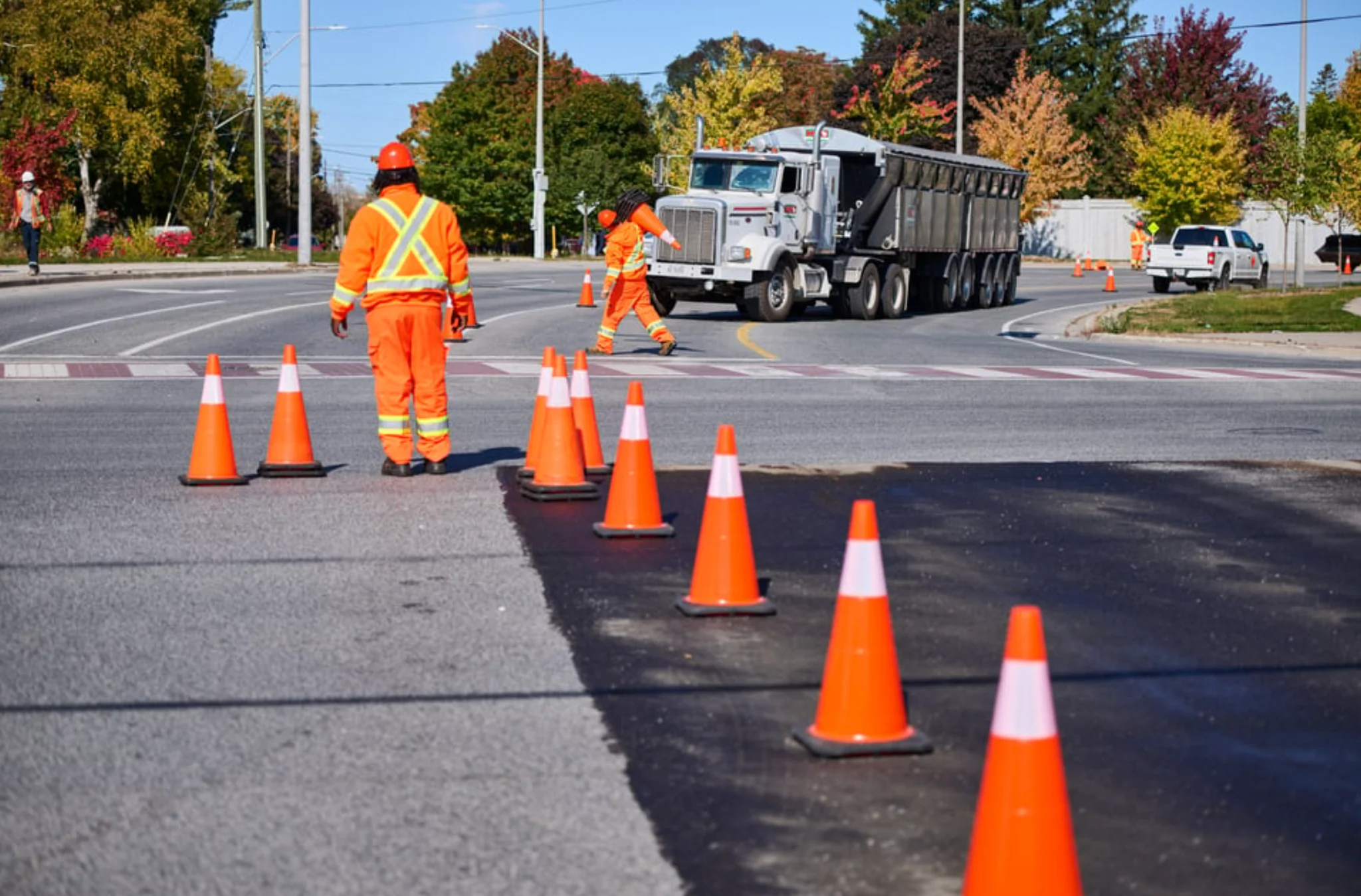
Effective traffic control begins long before construction crews arrive at a work site. Proper planning ensures that traffic can be managed safely and efficiently throughout the duration of the project. Without a well-designed traffic control plan, construction zones may become disorganized and unsafe.
Traffic control planning involves evaluating the construction site, identifying potential risks, and designing strategies that guide drivers safely around work areas.
Assessing Traffic Conditions
The first step in traffic control planning is assessing the surrounding traffic conditions. Traffic control professionals analyze factors such as traffic volume, road layout, nearby intersections, and pedestrian activity.
This information helps determine the best traffic management strategies for the project.
Designing Traffic Control Plans
Based on the site assessment, traffic control experts develop a detailed traffic management plan. This plan outlines where cones, barriers, warning signs, and traffic control personnel will be placed.
It also identifies lane closures, detours, and alternate routes for drivers. A well-designed plan ensures that drivers receive clear instructions when approaching the work zone.
Coordinating with Construction Teams
Traffic control planning requires coordination between traffic control professionals and construction project managers. This collaboration ensures that traffic management strategies align with construction schedules and activities.
When construction phases change, traffic control teams adjust their strategies to maintain safe traffic conditions.
Conclusion
Planning traffic control before construction begins is essential for maintaining safety and efficiency in work zones. By carefully assessing traffic conditions and implementing organized traffic management strategies, traffic control professionals help ensure that construction projects run smoothly and safely.