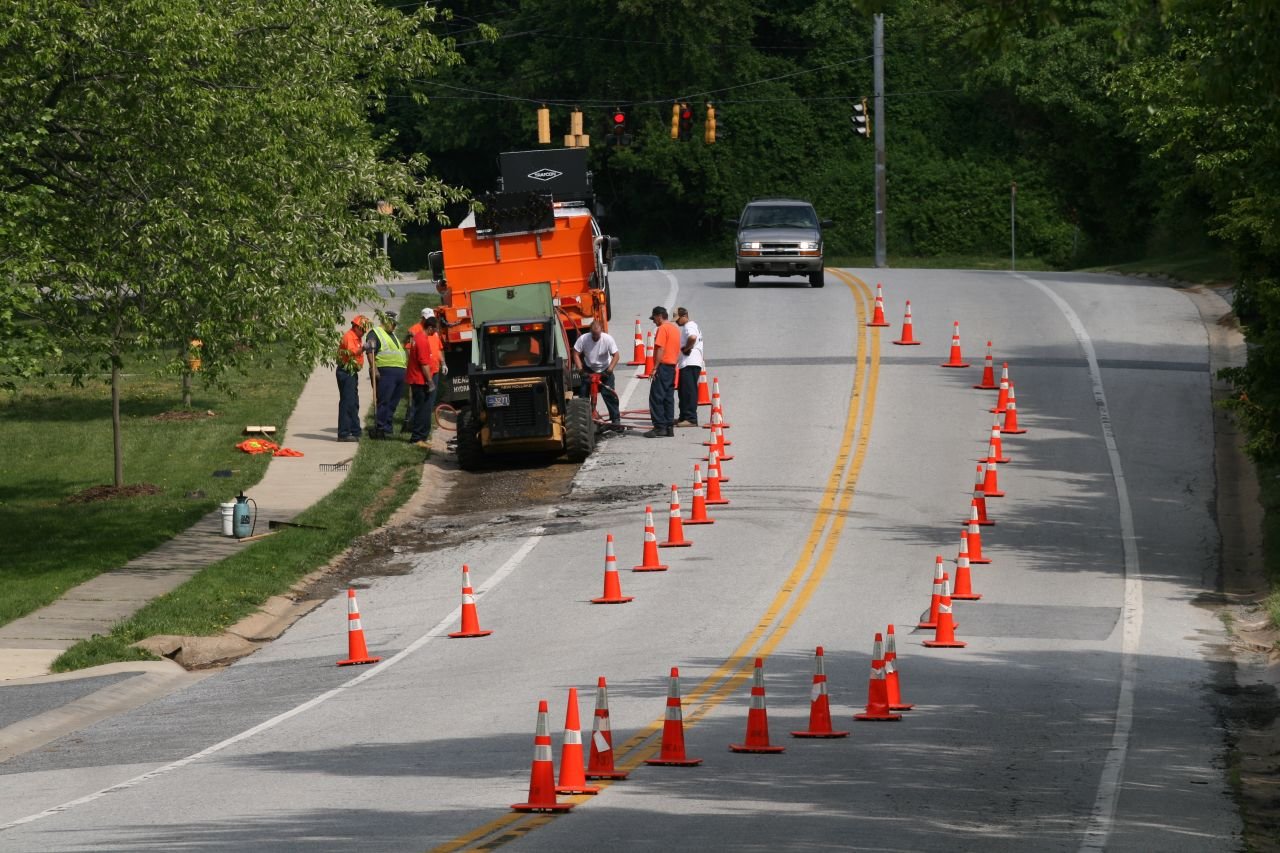
Work zones are areas where construction or maintenance activities take place near active roadways. These environments can be hazardous because they involve moving vehicles, heavy equipment, and changing road conditions.
Traffic control plays a key role in reducing accidents in work zones by guiding drivers safely through construction areas and protecting workers from potential hazards.
Managing Speed and Driver Awareness
One of the biggest causes of accidents in work zones is excessive speed. Drivers may not slow down when approaching construction areas, which can lead to dangerous situations.
Traffic control personnel help reduce speeding by directing vehicles and reminding drivers to proceed cautiously. Visible traffic control devices such as cones, warning signs, and flashing lights also encourage drivers to slow down.
Preventing Traffic Confusion
Construction zones often involve temporary traffic pattern changes. Without clear guidance, drivers may become confused about which lanes to use or where to go.
Traffic control teams ensure that drivers receive clear instructions through proper signage and flagging signals. This helps prevent sudden lane changes and other risky driving behaviors.
Creating Safe Work Environments
Traffic control also protects construction workers who are performing tasks close to active traffic lanes. By controlling the movement of vehicles, traffic controllers create safer working conditions for construction crews.
Their presence helps maintain a safe distance between workers and moving traffic, reducing the risk of workplace accidents.
Conclusion
Traffic control is a critical component of work zone safety. By managing traffic flow, increasing driver awareness, and protecting construction workers, traffic control professionals help reduce accidents and maintain safe road conditions.