Work zones are areas where construction, maintenance, or utility work is taking place near active roadways. These zones present unique safety challenges because they involve both moving traffic and construction activities occurring at the same time.
Ensuring work zone safety is critical for protecting construction crews, drivers, and pedestrians.
Identifying Work Zone Hazards
Work zones can include several potential hazards, such as heavy machinery, uneven surfaces, reduced lane widths, and sudden traffic pattern changes. Drivers approaching work zones may not always anticipate these hazards.
Traffic control measures help reduce these risks by providing clear guidance for drivers and creating safe working areas for construction crews.
Importance of Traffic Control Equipment
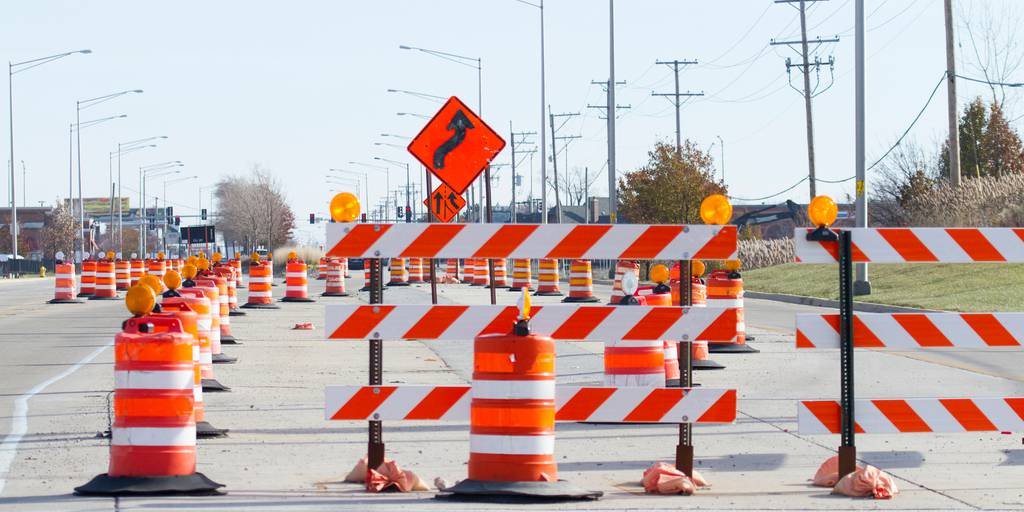
Traffic cones, warning signs, barriers, and signal devices are essential for marking work zones. These tools alert drivers to changing road conditions and guide them safely around construction areas.
Proper placement of traffic control equipment ensures drivers can easily understand how to navigate through work zones.
Training and Communication
Work zone safety depends heavily on effective communication between traffic control personnel and construction crews. Traffic controllers monitor traffic conditions and coordinate with workers to ensure that both traffic and construction activities proceed safely.
Their training allows them to anticipate potential hazards and respond quickly when conditions change.
Conclusion
Work zone safety is essential for successful infrastructure and construction projects. By implementing proper traffic control measures and using trained personnel, contractors can create safe work environments while minimizing disruptions for road users.